

Sign-In Technology & Receptionist: Why the Reception Desk Still Matters

Updated: 13 minutes ago
By Bradley Fielden, Reception, Collaborative and Co-Working Joinery Specialist at Clarke Rendall
The workplace reception area has evolved significantly in recent years. As businesses adapt to changing ways of working, expectations around what a reception space should deliver have also changed.
Today, reception is more than a place to welcome visitors or manage arrivals. It creates a business's first impression, reflects its identity, and provides a functional, welcoming environment for everyone who enters the building.
Technology is now an important part of this experience. Digital visitor management systems can improve efficiency, support security processes and streamline arrivals, but they are just one element of a successful reception strategy.
From our experience designing and manufacturing reception joinery solutions, the most effective spaces consider how people, technology, and design work together.
The key question businesses should be asking is not simply “can technology work in my reception?” but: What should our reception space achieve, and how can the design support that experience?
The Changing Role of The Workplace Reception
Workplace design conversations have increasingly shifted towards how spaces can make time spent in the office more valuable.
We are seeing a clear move towards workplaces that feel more welcoming, comfortable and human. Reception areas are becoming less about creating a purely formal point of arrival and more about shaping the overall experience from the moment someone enters a building.
Hospitality-inspired influences are now common, with businesses incorporating softer seating, acoustic considerations, warmer lighting and tactile materials to create more inviting environments.
In the past, reception areas often made an immediate visual statement. Today, businesses are looking for spaces that support how people feel, interact and connect.
The focus is shifting from creating a desk and waiting area to creating an arrival experience that reflects the organisation, supports visitors and works alongside the wider workplace environment.
How Technology Is Changing, Not Replacing, Reception
Visitor management technology has transformed the way many businesses approach arrivals.
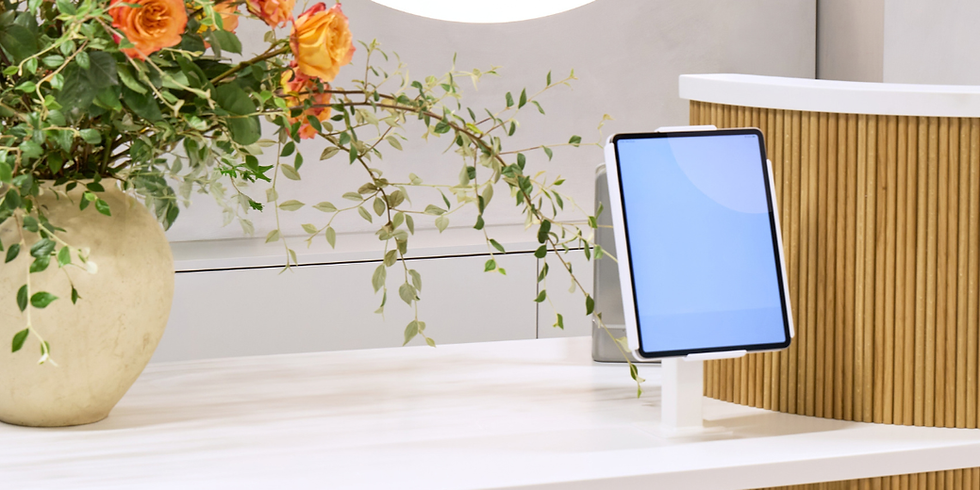
Digital sign-in systems can improve efficiency, provide accurate visitor records and integrate with wider building security processes. For some organisations, this technology forms an important part of a modern workplace strategy.
However, signing in is only one part of what happens at reception.
A successful arrival experience requires considering everything that happens before and after a visitor registers their details: how they are welcomed, where they wait, and how they navigate the building.
A receptionist provides a human point of contact that technology cannot replicate. They welcome visitors, answer questions, provide directions, and manage situations that don't follow a standard process.
A visitor may arrive early, need help finding a meeting room or have an unexpected query. These are situations where human interaction and judgement remain valuable.
When Reception Becomes an Afterthought
One trend we have noticed is that businesses are reassessing how their reception areas support the way they use their workplaces today.
During periods of workplace change, some organisations reduced or removed traditional reception areas to create more flexible layouts, maximise available space or reflect changes in office occupancy.
In some cases, businesses later found that the arrival experience did not provide everything they needed, from a clear welcome point to greater control over visitor movement.
The challenge is that reception is often considered too late in the design process. Once a refurbishment is complete, budgets have been allocated, layouts have been finalised, and the space has been designed around another purpose; adapting the area can become more difficult.
Considering reception from the outset allows businesses to create a solution that balances aesthetics, functionality and the needs of the people using the space.
Reception Desks Are Evolving with the Workplace
Reception desks have evolved significantly. Modern designs need to meet practical requirements while supporting how organisations operate.
This can include integrating visitor management technology, incorporating brand identity and design details, providing appropriate storage and workspace, supporting accessibility requirements and creating a welcoming environment for visitors and employees.
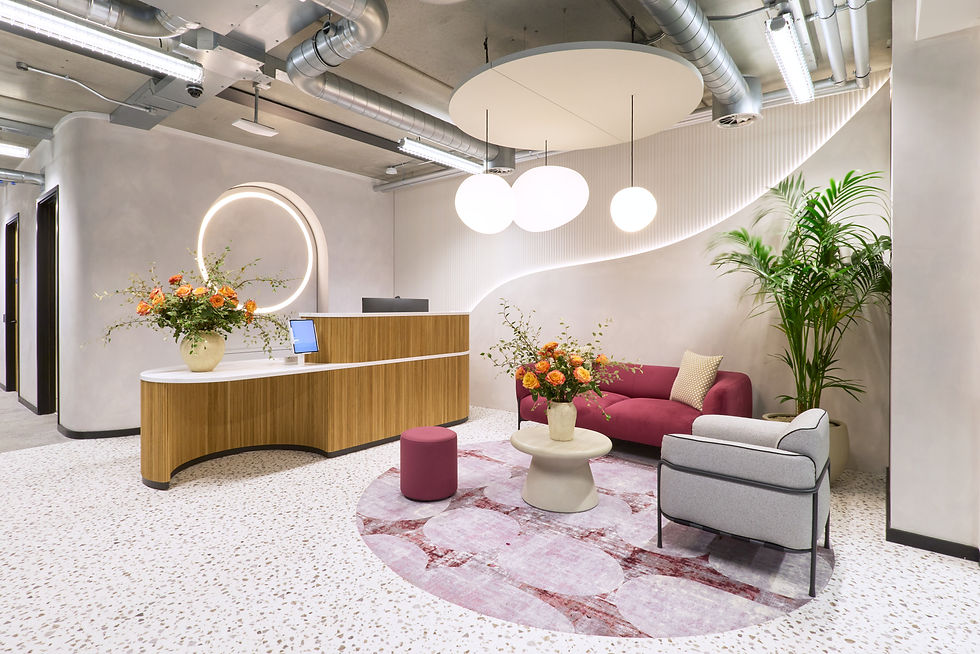
A bespoke reception desk can bring together these different requirements, creating a space that is both functional and representative of the organisation.
A recent pharmaceutical client project demonstrates how reception design can balance aesthetics, functionality and modern workplace requirements.
Clarke Rendall delivered a bespoke curved reception desk. The design integrates technology alongside dedicated space for reception staff, creating a practical yet welcoming arrival point.
The desk forms part of a wider reception environment that combines soft lighting, layered materials and carefully considered furnishings to create a comfortable and inviting experience for visitors.
The project reflects the role reception continues to play in modern workplaces: creating an environment that supports people, technology, and how businesses want visitors to experience their brand.
Designing Reception with Purpose
Every business will have different requirements for its reception area.
For some organisations, a technology-led arrival experience may be the right solution. For others, a staffed reception remains an important part of their workplace identity, visitor experience and security approach.
Increasingly, the most effective solutions combine both approaches – using technology to improve efficiency while retaining the human interaction that creates a welcoming environment.
The key is to make these decisions as part of the wider workplace design process, rather than treating reception as an afterthought.
Reception has changed, but its purpose remains. It creates the first interaction someone has with a business, helps people navigate the space and contributes to the overall workplace experience.
By considering the role of reception early, businesses can create environments that balance technology, functionality and human connection – delivering spaces that work for the people who use them every day.
Whether you are creating a new workplace or refurbishing an existing space, Clarke Rendall can help design a reception environment that supports how people use your building. Get in touch with our expert team to learn more.

